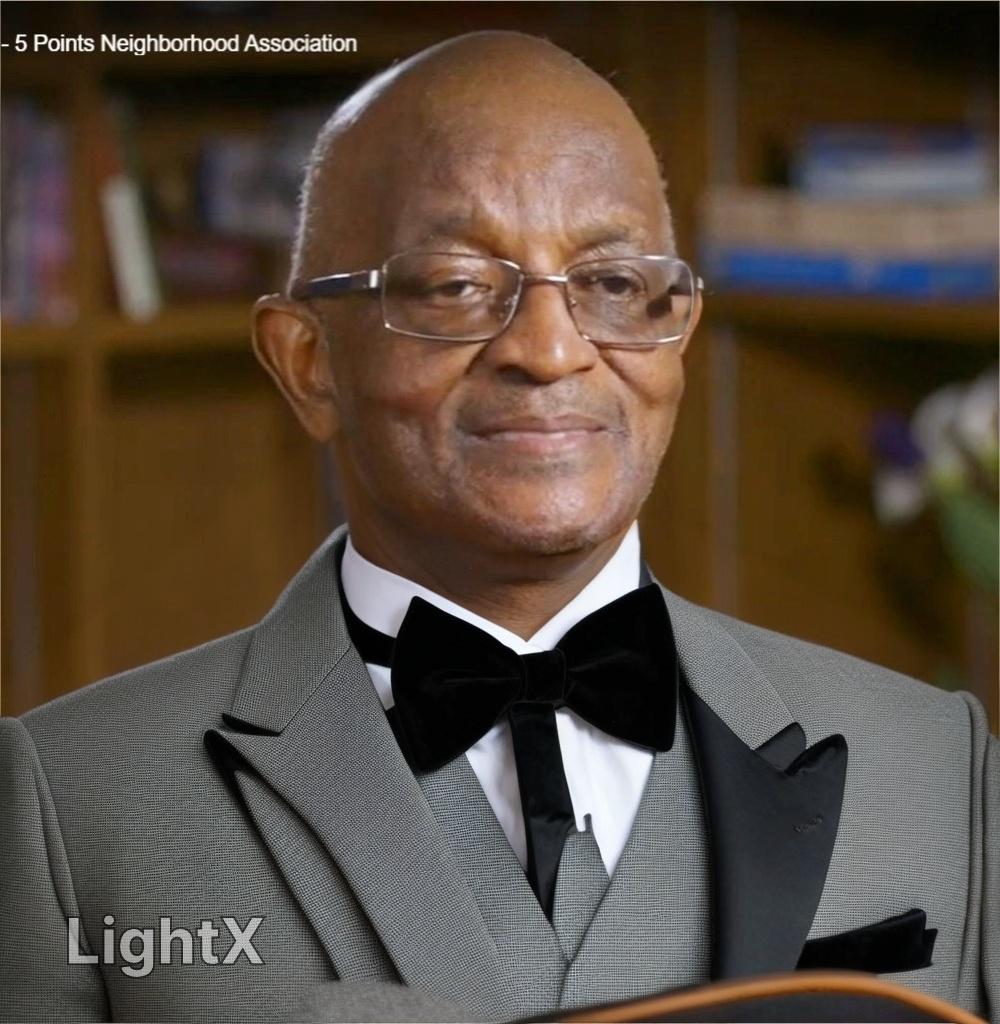
Mr. Samuel Sims
President

We proactively work to enhance the livability of the neighborhood by establishing and maintaining open lines of communication and acting as a liaison between neighbors, city agencies, offices, educational institutions, area businesses, associations, and other neighborhood groups.
Contact Us
Community first
Building stronger connections
The mission of the Five-Points Neighborhood Association is to organically develop and build the neighborhood that is consistently engaged in social and economic group action to empower, educate, improve the quality of life, and advocate for the residents of the 5PNA and those who reside in, between, and are adjacent to 5 Points.
From Grover Heights to Williamsburg Heights, the 5PNA carries forward a history shaped by families, resilience, and community leadership.
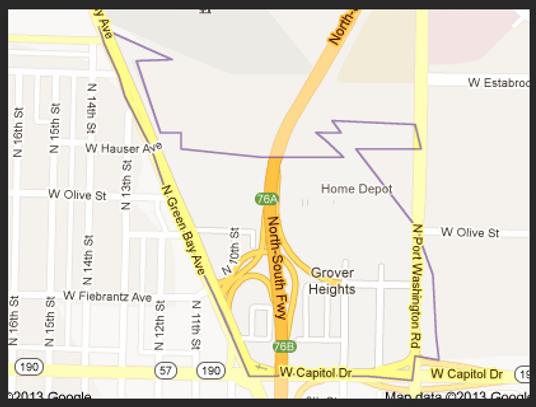
Located on the fringes of Williamsburg and encompassing parts of Glendale, Grover Heights is bordered by Capitol Drive to the South, the Milwaukee River at the Hilton/Anchor Inn to the North, I-43 to the West, and Port Washington Avenue to the East.
Built on lots carved from swampland that fed into the river, Grover Heights homes were built between 1926 and 1930. Its occupants were primarily German until the 1960s. Its first African-American family moved into the area in 1961. Most residents move into the area and stay. Currently, Grover Heights has a diverse population consisting of African-Americans, Caucasians, Latinos, and Hispanics.
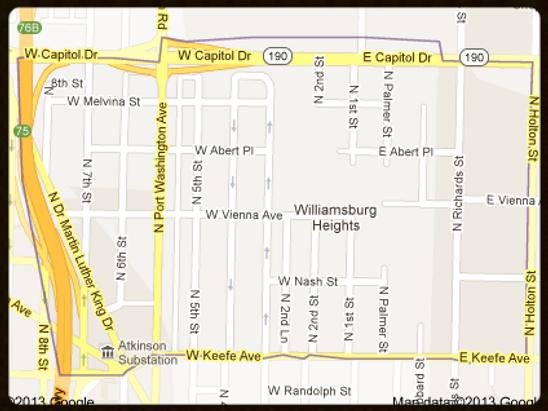
Williamsburg is bounded to the south by the Harambee neighborhood, to the west by I-43, to the north by Capitol Drive, and to the east by the old Wisconsin & Southern Railroad, now being converted to the Artery and Beerline Bike Trail.
In the 1800s, when memories of the frontier were still fresh in Milwaukee, the area that became Williamsburg—named for William Bogk—was a farming district. Scores of farmers, most of them German immigrants, settled in the area. Comfortably beyond the city limits at North Avenue, they patronized their own trading center that they referred to as Williamsburg. The Green Bay Road, between Burleigh Street and Keefe Avenue, was the spine of the little settlement.
At Port Washington Avenue, there was a growing cluster of businesses on Green Bay Avenue—the heart of old Williamsburg. The residential sections were dotted with German saloons, German stores, and dozens of German churches. Today you can still see the old Owl Club House on Port Washington Avenue, now the Shiloh Tabernacle. By the late 1960s, African Americans began moving in, and relations were more peaceful with their older European neighbors than in other parts of the city at the time, leading to a more stable neighborhood.
In 1891, Williamsburg became part of Milwaukee. In the same decade, the Pabst Brewery purchased Schuetzen Park—now Clinton Rose Park—and turned it into an amusement park. The area continued to grow after 1900 as home-seekers reached Capitol Drive in the 1920s. The homes here are dominantly bungalows, the nearly universal favorite of the 1920s, with towering two- and three-story Milwaukee duplexes scattered among them.
1. Grover Heights
Bordered by Capitol Drive to the South, the Milwaukee River at Hampton Avenue to the North, I-43 to the West, and Port Washington Avenue to the East.
2. Williamsburg Heights
Bordered by Capitol Drive to the North, Keefe Avenue to the South, I-43 to the West, and Holton Street to the East.

Residents, block clubs, businesses, and neighborhood groups adjacent to 5PNA may petition for inclusion.
The association considers communities touching the five points, including portions of nearby zip codes.
Territory may extend beyond the primary areas for those who associate themselves with 5PNA.
5PNA has a number of office positions including.
President
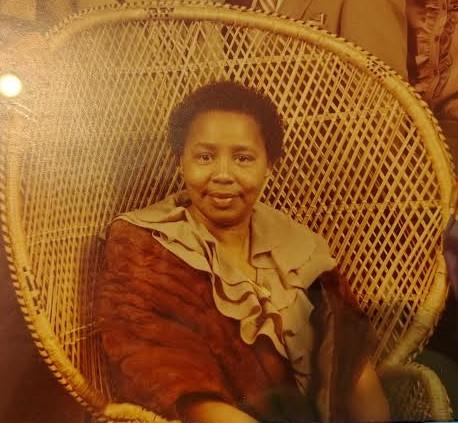
Founding Member and Community Mother
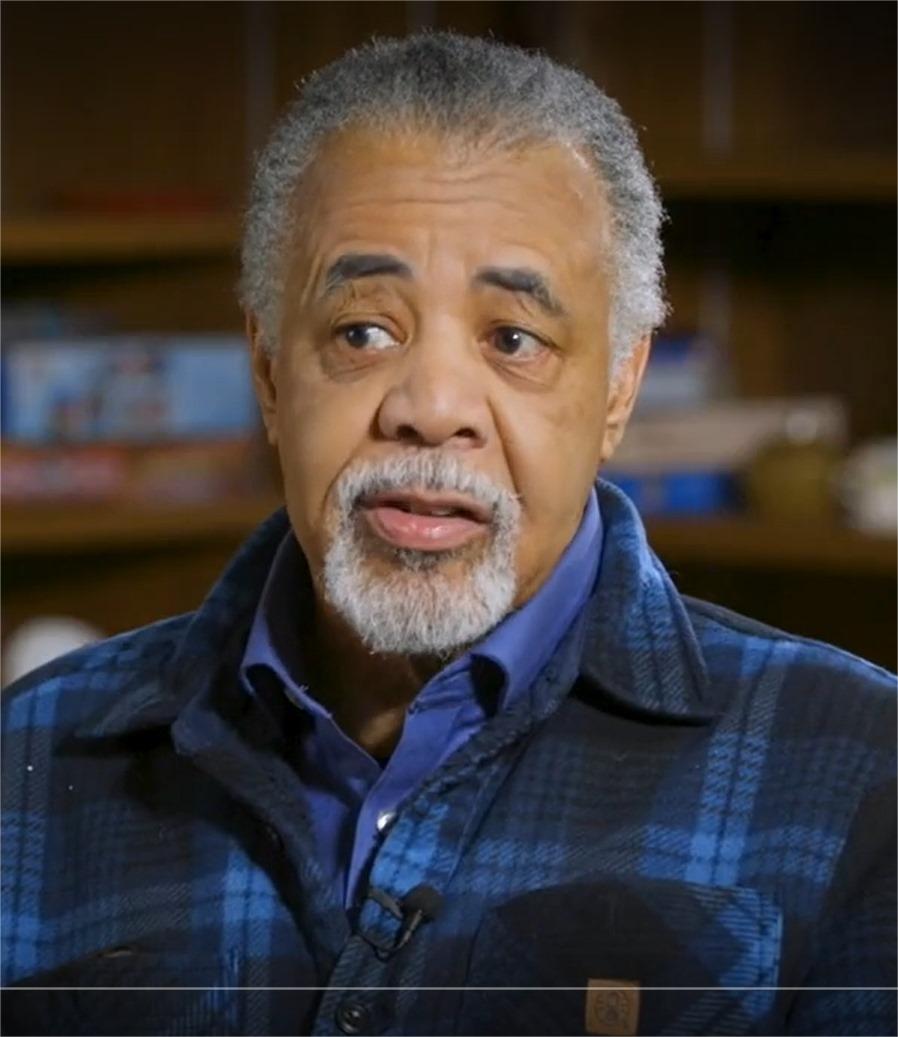
Vice President (NIBD chair)
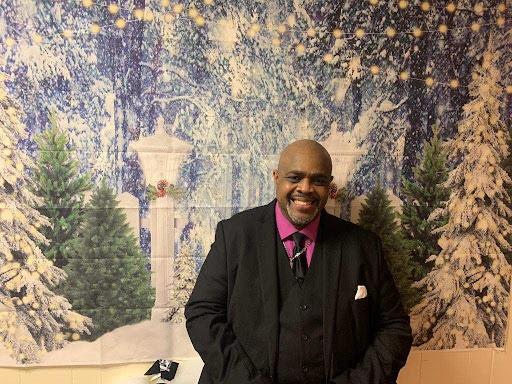
Youth and Intergenerational Activities Chair

Community Engagement Specialist

Project Director
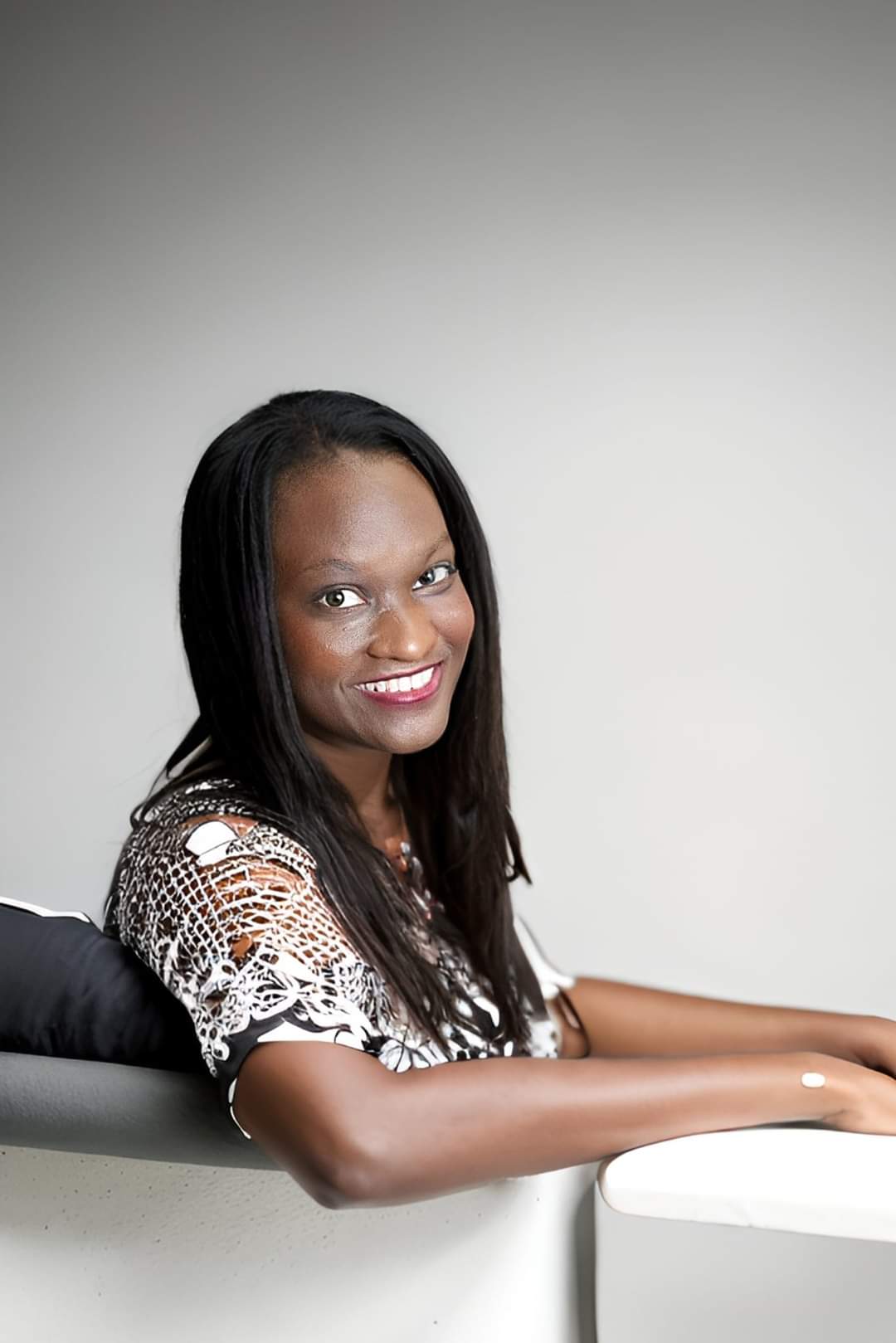
Life and Health Coach

Board Member, Executive Assistant
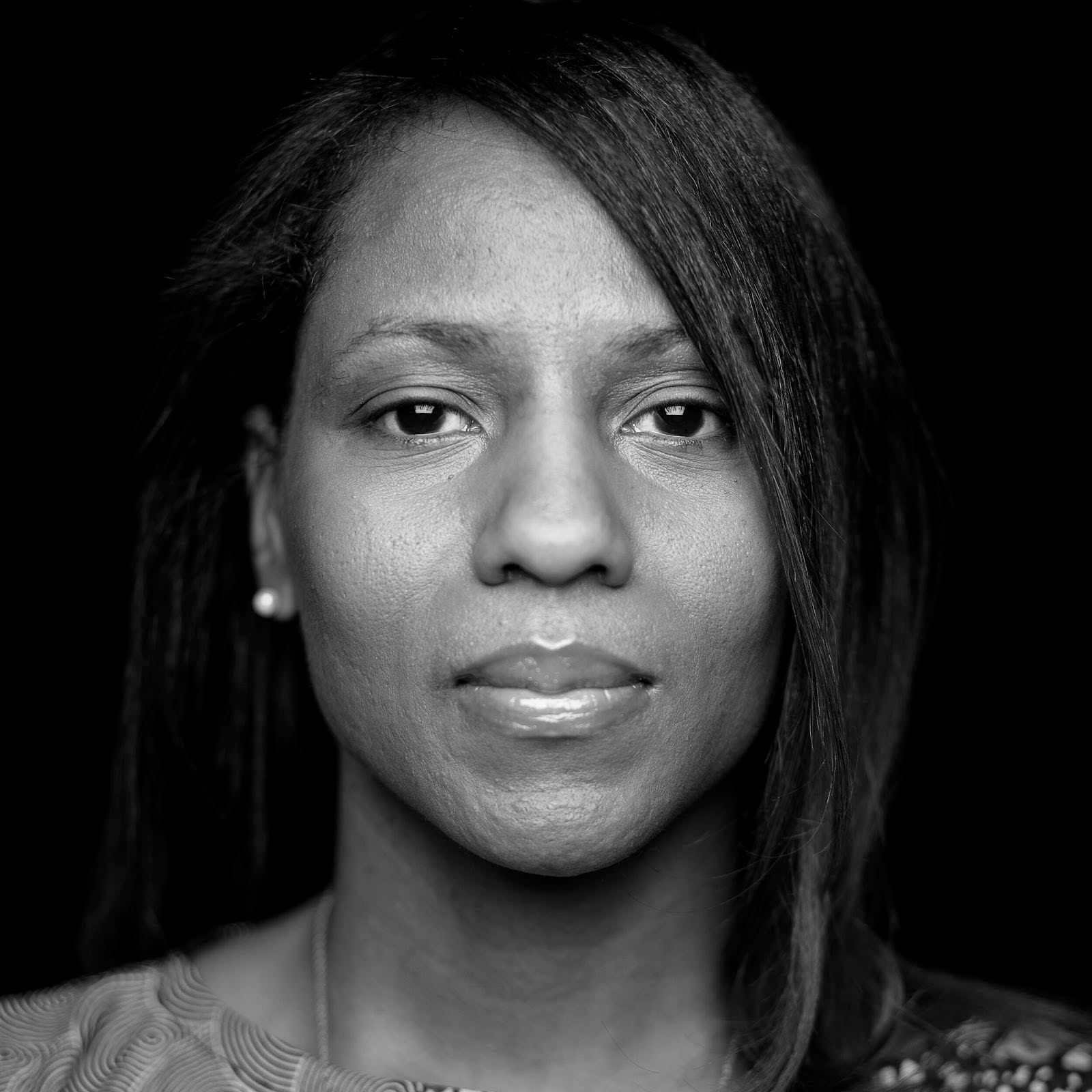
Home Stabilization (Anti-gentrification) and Expression through the Arts Specialists
Leadership Coach (Pastor Grace Fellowship Church-Community hub)
Organizational Director
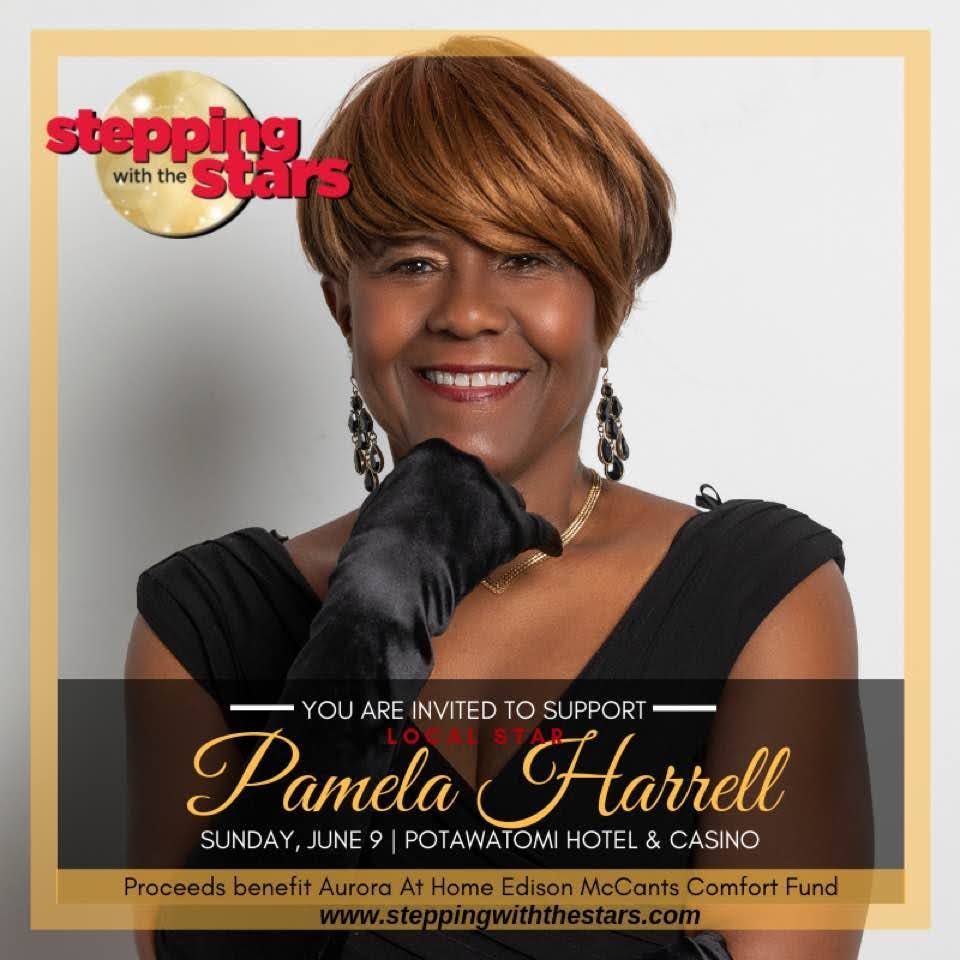
Secretary
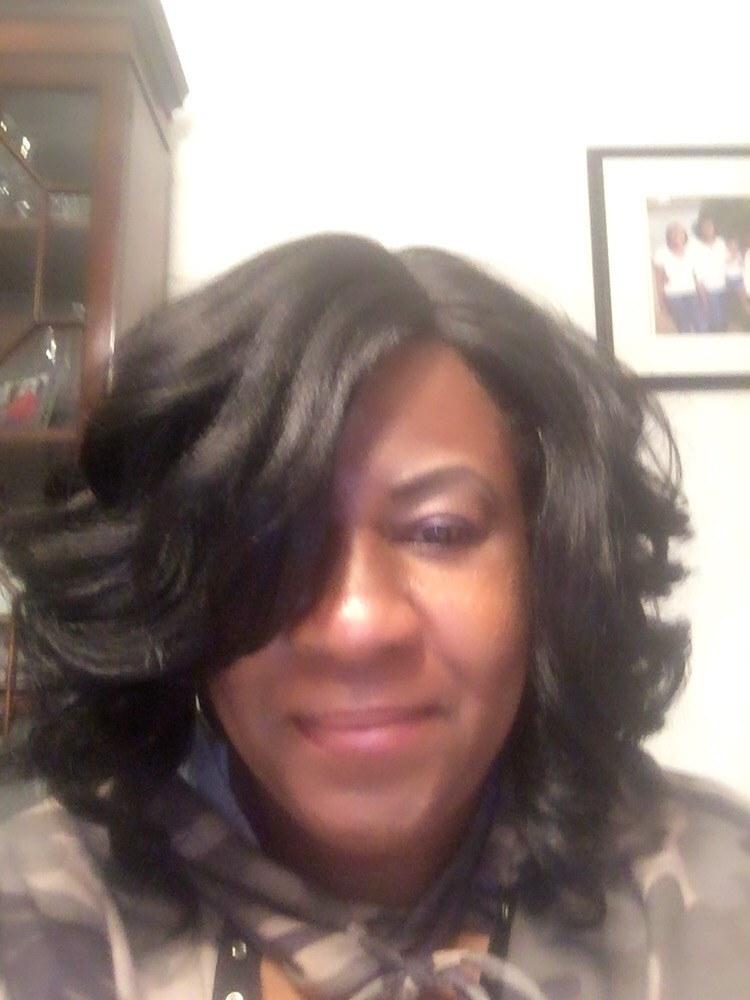
Community Laision
We are separated into different effective committees.
This committee organizes clean ups, identify potential garden spots, keep up with violations and find resources for means of correction. In addition, the BI committee will call the city for attention to vacant lots, abandoned and razed properties, and improvements in lights, streets, and signs.
This committee brings economic resources to the association, build strong neighborhood-business-community relationships, and provide connections to other businesses or organizations that support neighborhood activities.
This committee distributes monthly flyers, create newsletters, information packets, announcements. Additionally, they email members, make phone calls to remind members who do not have email about meetings, reconnect and re-invite absentee members and find out concerns of homebound members, and update website and utilize other means of social media.
This committee assist with lawn or snow removal, make calls to the elderly in at least 3 week intervals to find out their needs and concerns, help serve as intermediaries when dealing with energy, phone, or other companies, make connections to organizations and places of resources, provides rides and help with errands as well as sometimes provide comfort or someone with whom just to talk.
This committee attends presentations by the Milwaukee Police Department, including crime and safety at (District 5), keep a log of neighborhood crimes, keep up with trends in surrounding areas, bring resources and information to association through presentations of pertinent safety information.
We have the most up-to-date security to support the security of all our customers in carrying out all transactions.
The HW committee will bring resources and presentations to the area (i.e. resources re: domestic violence, etc), design programs to address substance use and abuse in the community, find out causes of deaths in the area and the possible connections or contributions of the areas design to the health of those who have lived longer than 5 years in the area, investigate and work to determine links between environmental aspects of the neighborhood and health effects, monitor health conditions of people who report them, plan Health Fairs and Walks.
This committee welcomes new neighbors and secure as much info as possible about residents (names, address, phone), deliver folders (neighborhood guidelines, contact information, call 4 action guide) and welcoming gifts, and provide updates on births and deaths in the area.
The OC committee emails various governmental departments or call using (Block club or Association name), speak as a political representative for the group (given time limits or a need for lobbying), speak as group representative on certain issues.
This committee attends various meetings to scope worthwhile connections, city development and impact on area, licensing of businesses in the area, programs to align with mission and vision and work toward improving organization and find out projects that are taking place within the area.
This committee provides reports on abandoned vehicles, suspicious activity, loitering, nuisance, or repetitive activity, day watch and night watch, and provide individuals to serve as those who will watch others property while they are traveling.
This committee designs activities to engage youth in club, encourage educational and employment opportunities, find and encourage participation in extra-curricular or summer learning activities, foster healthy lifestyle choices, plan block party and provide individual counseling and mentoring.
This committee keeps an updated contact list of property owners who do not reside in the area, secure signatures on landlord compacts, communicate neighborhood concerns as well as concerns about tenants or property upkeep, and encourage participation in the association.